


Expert-guided expeditions to Peru’s last great Inca citadel, far from the crowds of Machu Picchu.
Choquequirao rises above one of the deepest canyons on the continent, a vast Inca citadel still 70% covered by cloud forest and reachable only on foot. On our expeditions you follow original trails across dramatic ascents and descents, sleep near the ruins, and explore terraces and stone llamas with almost no other visitors in sight.
Choquequirao Treks is a Cusco‑based operator specializing in multi‑day expeditions to Choquequirao, Vilcabamba and Machu Picchu. We focus on routes that follow original Inca trails, connect remote communities and stay far from the crowds. Our classic itineraries include the demanding 4‑day Choquequirao trek, extended routes that continue to Machu Picchu, and longer expeditions that cross high passes into the Vilcabamba range. Every journey is designed for hikers who are willing to earn their views with real effort, not for tourists looking for a quick bus ride.
OUR INTRODUCTION
We run small‑group treks to Choquequirao and the Vilcabamba range, for hikers who want real trails, deep Inca history and empty viewpoints far from the crowds.


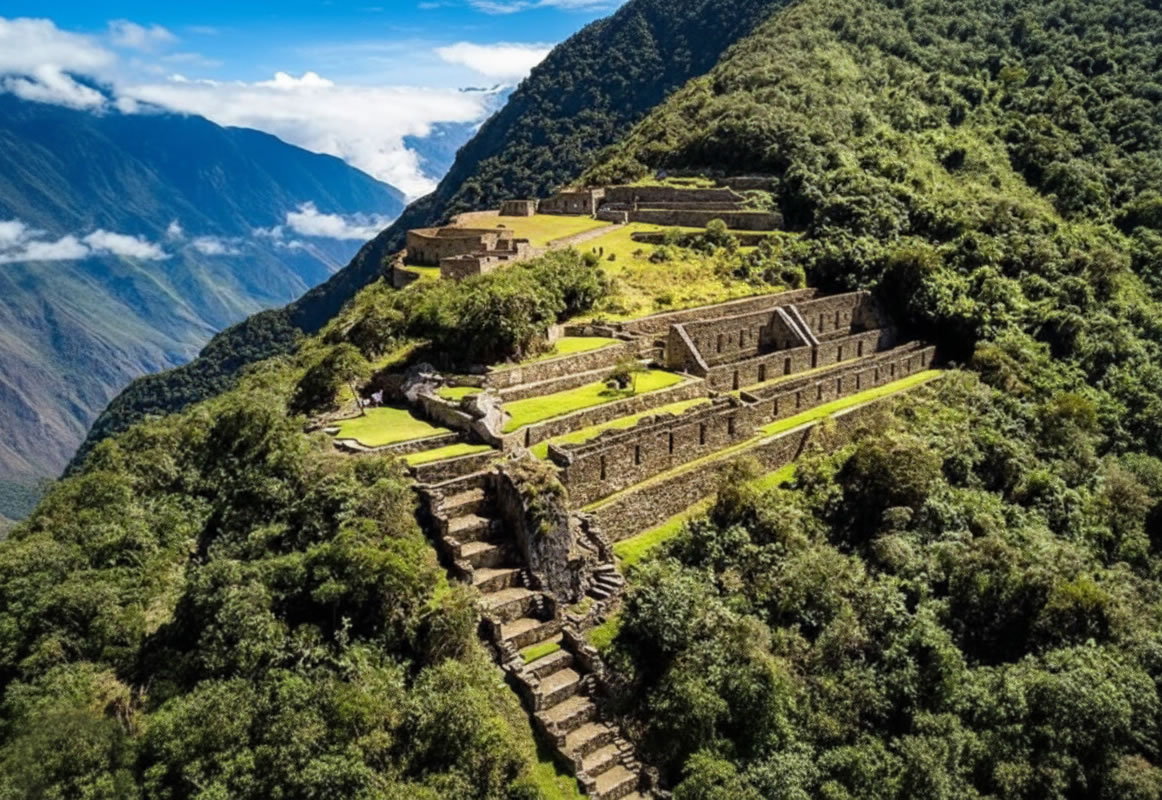
A scenic four-day adventure, ideal introduction to Andean trekking, culture, and Inca history.
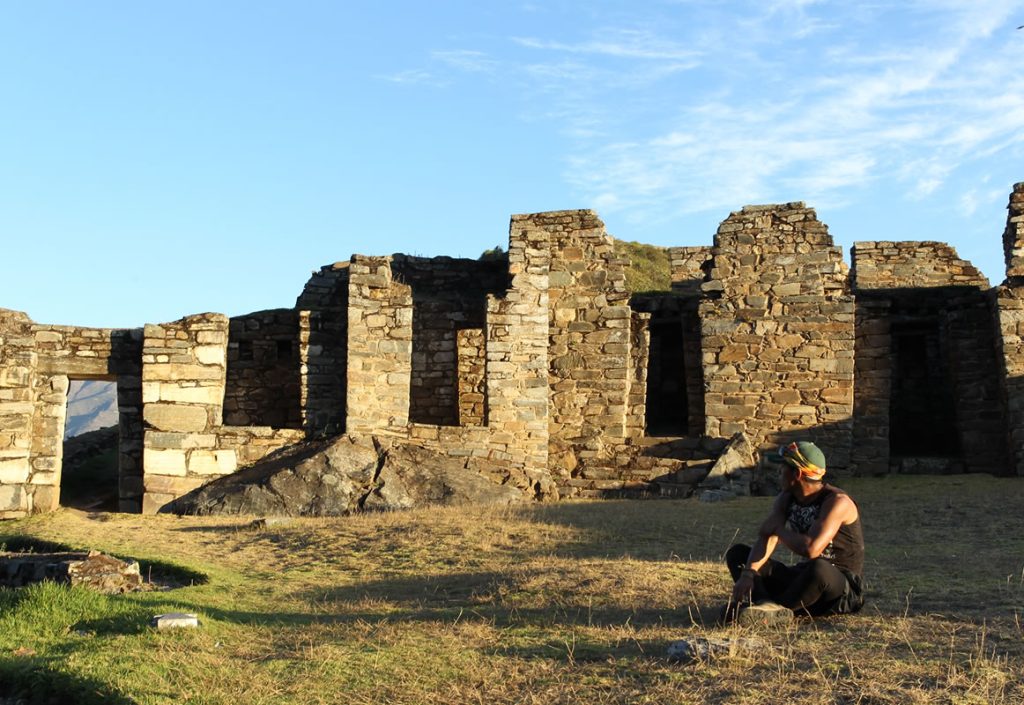
Follow ancient Inca trails across diverse Andean landscapes, linking remote valleys, villages, and hidden ruins.
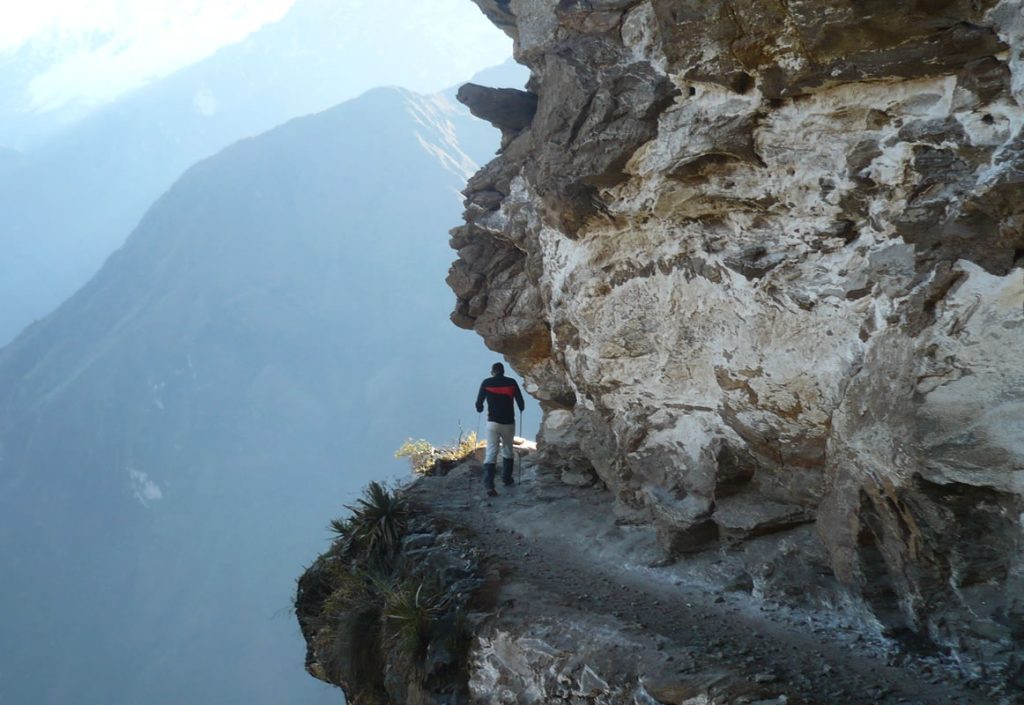
Connect two iconic Inca citadels in one journey, blending breathtaking trekking with deep cultural discovery.
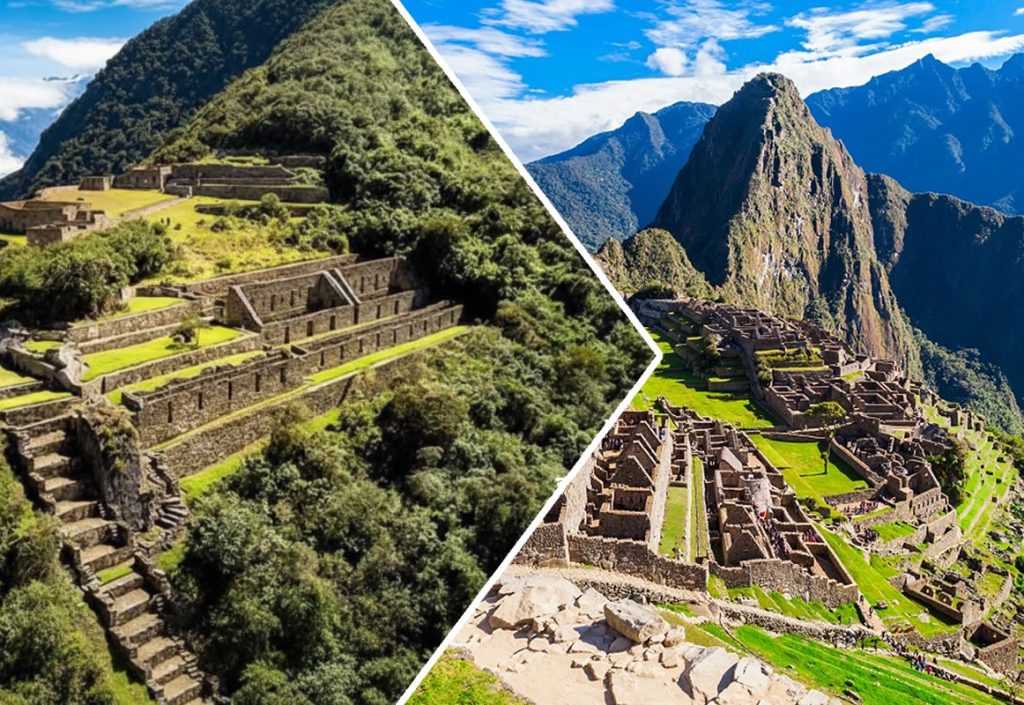
Explore Choquequirao’s solitude, then continue to legendary Machu Picchu on a demanding but unforgettable expedition.
A comprehensive Andean experience linking three major Inca sites, varied ecosystems, and authentic highland communities.
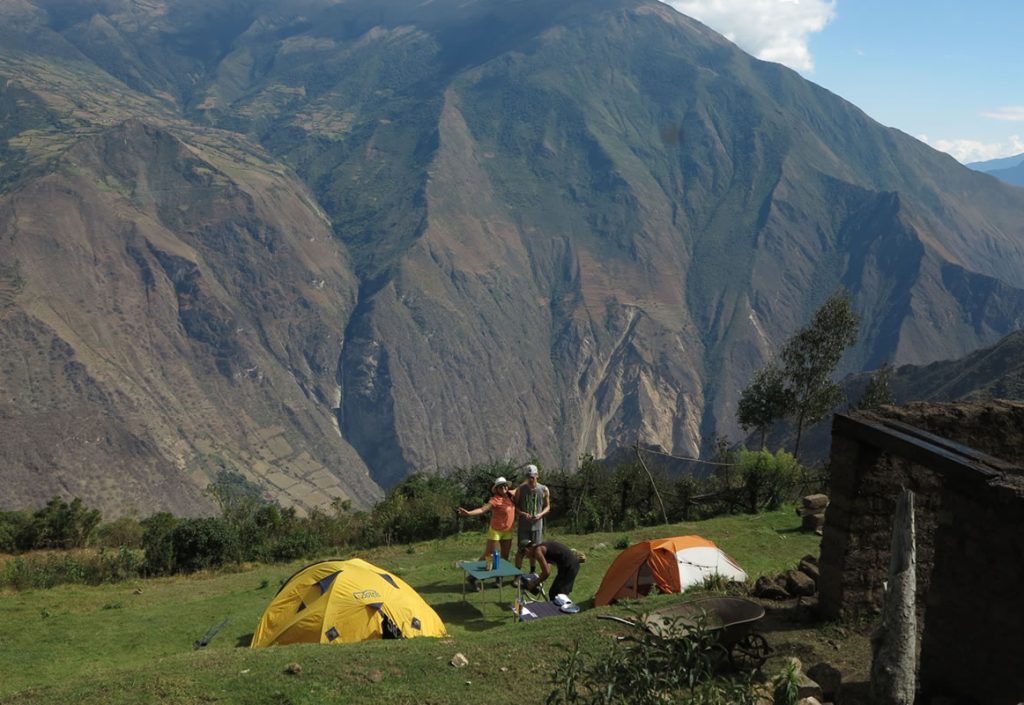
Enjoy premium comfort, gourmet cuisine, and stunning mountain views while trekking remote Inca trails in style.
Hike the original Inca trails to Choquequirao and Vilcabamba,
full days exploring uncrowded sacred citadels.
Because you explore Peru’s last great Inca trails with expert local guides, small groups, fair wages and truly uncrowded ruins, supported by reliable logistics, quality camping gear and a deep commitment to safety and responsible travel in every expedition.

About Choquequirao & Vilcabamba
The Classic Choquequirao trek is a serious physical challenge, even for people who already hike regularly, because the route crosses one of the deepest canyons in the Andes and involves big elevation changes on consecutive days. On the first day you descend around 1,500 meters from the Capuliyoc lookout to the bottom of the Apurímac canyon, and on the second day you climb those same 1,500 meters up to the ruins, usually walking between 6 and 8 hours. The trail is well marked and does not require any technical climbing skills, but it is steep, exposed to the sun in some sections and often feels tougher on the way back when legs are already tired. For this reason we recommend that travelers train with long day hikes, stairs or hill workouts in the weeks before departure, and that they are comfortable walking on uneven terrain while carrying a light daypack. The reward is that, unlike more accessible destinations, Choquequirao remains quiet; most days there are fewer than 30 people in the entire citadel, so the effort translates directly into a more intimate experience of the site.
For the 4‑day Choquequirao trek, previous multi‑day trekking experience at altitude is helpful but not mandatory, as long as you arrive in Cusco early, are in good overall health and are willing to walk for several hours per day. Our routes are designed so that hikers carry only a daypack with water, layers and personal items while our muleteers transport the camping gear and main luggage; this makes the physical demand more manageable for people who are fit but not expert mountaineers. What is essential is proper acclimatization: we strongly advise arriving in Cusco at least two days before the trek, avoiding heavy alcohol, drinking plenty of water and, if your doctor approves, considering altitude medication. For our longer expeditions that cross passes above 4,000 meters, such as the Vilcabamba routes and the 10‑day Inca Trilogy, we do recommend prior experience with multi‑day trekking or endurance sports, because some days can involve 8–9 hours of hiking and significant altitude variation. Anyone with a history of heart, respiratory or serious circulatory problems should speak with their physician before booking, and travel with appropriate insurance and medication, since these are remote areas without easy access to medical facilities.
Each itinerary on our website lists specific inclusions, but in general our expeditions are designed to be close to all‑inclusive once you arrive in Cusco so that you can focus on the experience instead of logistics. Prices typically cover private transportation between Cusco and the trailhead, professional bilingual guides, an experienced expedition cook, muleteers and pack animals to carry camping equipment, as well as double tents, sleeping pads, a dining tent with tables and chairs and a separate kitchen tent. All main meals on the trek—usually breakfast, lunch and dinner—are included and prepared with fresh ingredients bought from local markets and communities; we also provide boiled and purified water so you can refill your bottles, plus snacks such as fruit, crackers and chocolate. Entrance tickets to archaeological sites like Choquequirao, Vitcos‑Rosaspata, Espíritu Pampa and Machu Picchu are included on the routes that visit them, which means you do not need to worry about buying permits on your own. What is normally not included are sleeping bag rental, alcoholic or bottled drinks, optional hot showers in some campsites, entries to hot springs, personal equipment or clothing and your international or domestic flights, so we recommend reading the detailed list for each trek and contacting us if you have any doubts about a specific service.
The best overall season for trekking to Choquequirao and Vilcabamba is the dry period from May to October, when there is very little rain, mountain views are clear and trails are more stable, making them safer and more enjoyable for long days of hiking. During these months nights can be cold—especially above 3,000 meters—so we recommend warm layers and a good sleeping bag, but you benefit from bright, sunny days and star‑filled skies at camp. April and November are considered transition months; you may experience a mix of sunshine and afternoon showers, yet the landscapes are greener, waterfalls are fuller and there are fewer people on the trails, which many travelers consider an advantage. From December to March the region enters the rainy season, bringing heavier and more frequent precipitation, muddy paths and a higher risk of landslides in certain sections. For safety reasons we usually operate only the Classic Choquequirao trek and some shorter glamping options during this period, while the remote Vilcabamba expeditions and the Inca Trilogy are paused until conditions improve; if your dates are flexible, choosing a window between June and September gives you the most stable weather for the more demanding routes.
Our cancellation and rescheduling policies are designed to balance fairness to travelers with the reality that we must commit early to guides, transport, entrance tickets and local suppliers in remote communities. If you cancel your trek more than 30 days before departure, you receive a 100% refund of the tour price minus a small administrative fee, which helps cover bank and processing costs. Cancellations between 15 and 30 days before departure receive a 50% refund, between 7 and 14 days a 25% refund, and with less than 7 days’ notice no refund is possible because most operational expenses have already been incurred. When you need to reschedule instead of cancel, and you contact us more than 7 days before your trek, we can usually move your booking to another available date at no extra cost; with less than 7 days’ notice a modest rescheduling fee applies. We strongly recommend that all guests purchase travel insurance that includes trip‑cancellation coverage for reasons such as illness, missed flights or family emergencies, since many policies will reimburse non‑refundable tour costs when you provide the required documentation.
Our expeditions use professional‑grade mountain equipment chosen specifically for the conditions of the Apurímac canyon and the Vilcabamba range, where nights can be cold and weather can change quickly. We provide spacious double tents designed for high‑altitude trekking, with good waterproofing and durable floors to protect you from moisture and rough terrain. Each traveler receives a foam sleeping pad, and we offer additional inflatable pads or sleeping bags for rent if you prefer extra comfort or do not want to bring your own gear to Peru. A separate dining tent is set up at every campsite, equipped with tables, chairs and lighting so you can eat your meals comfortably and review the plan for the next day with your guide. Our kitchen tent functions as a mobile field kitchen where the cook maintains hygiene standards, manages gas stoves safely and prepares hot meals even in wind or rain, and we also carry first‑aid kits, emergency oxygen and trekking poles available on loan to support your knees during long descents.
We deliberately limit group size to keep the experience personal, reduce environmental impact and ensure that guides can give individual attention to each hiker. On the Classic Choquequirao trek we usually accept between 2 and 12 travelers, while on the more remote Vilcabamba routes and the Inca Trilogy we keep groups even smaller, often a maximum of 6 people. Every expedition is led by a certified bilingual guide who is licensed by the regional tourism authority and trained in first aid in remote areas; many also speak additional languages and all have years of specific experience on these trails. Supporting them is an expedition cook, responsible for planning menus and preparing meals, and a team of muleteers from local communities who manage the pack animals and ensure that camps are set up and broken down efficiently. This structure allows you to walk at a comfortable pace, ask as many questions as you like about Inca history and Andean culture, and still benefit from a well‑coordinated logistics team working behind the scenes.
The routes to Choquequirao and Vilcabamba pass through rural Andean and high‑jungle communities that are generally peaceful, accustomed to trekkers and proud of their role as guardians of these landscapes. We have not experienced security incidents related to theft or assault on the trail; most interactions with locals involve greetings, curiosity and opportunities to buy snacks or basic supplies. That said, we always advise travelers to apply normal precautions: keep passports, money and electronics in a small pouch or internal pocket, avoid leaving valuables unattended in communal areas and use the dry bags or duffel bags provided for luggage carried by mules. Our guides know the communities and families along the route personally and maintain regular communication with them, which helps us stay informed about local conditions and any events that might affect operations. In addition, our teams carry first‑aid kits and emergency oxygen, and on the more remote expeditions we use satellite communication devices so we can call for assistance if there is a serious medical or weather‑related issue far from normal phone coverage.
Preparing well in the weeks before your trip makes a huge difference in how much you enjoy the trek, especially on routes with long climbs and descents. We recommend building a base of cardiovascular fitness with activities like brisk walking, running, cycling or swimming three to four times a week, gradually increasing the duration so your body is used to sustained effort. In addition, you should include hill training or stair climbing, since the Apurímac canyon and the San Juan or Choquetacarpo passes involve sustained uphill and downhill sections that challenge both your lungs and your leg muscles. Doing a few practice hikes of 10–15 km while carrying a small backpack similar to what you will use on the trek helps you test footwear, adjust straps and identify any discomfort before you arrive in Peru. Finally, remember that rest and recovery are part of training: avoid arriving in Cusco exhausted from over‑training, sleep well the nights before your trek and allow at least one or two acclimatization days in the city so your body can adapt to the altitude.
Packing smartly for Choquequirao and Vilcabamba means balancing warmth, protection from the elements and the need to keep your daypack light enough for long days of hiking. We suggest bringing layered clothing: moisture‑wicking base layers, a warm fleece or insulated jacket for cold evenings, and a waterproof shell to protect you from wind and unexpected rain showers. Comfortable, well‑broken‑in trekking boots are essential; new boots that have not been tested on long walks are one of the main causes of blisters and discomfort on the trail. You will also want a sun hat, a warm hat and light gloves, as temperatures can vary dramatically between the canyon floor, high passes and shaded forest sections. Other key items include a headlamp with spare batteries, UV‑protection sunglasses, high‑SPF sunscreen, a 2‑liter water bottle or hydration system, personal hygiene items, any prescription medication and a small amount of cash for tips or extra snacks along the way.
Food is a central part of our expeditions, both for energy and morale, so we take menus and dietary needs seriously. Our cooks prepare hot breakfasts, substantial packed or sit‑down lunches and comforting dinners using fresh ingredients sourced from local markets and communities whenever possible. Typical meals include soups, rice or pasta dishes, vegetables, Andean potatoes, chicken or beef, and vegetarian protein sources; we also provide snacks such as fruit, biscuits and chocolate to keep your energy stable between meals. Drinking water on the trek comes from local sources but is always boiled and purified before being served or used to refill your bottles, which significantly reduces the risk of stomach problems. If you have dietary restrictions—such as vegetarian, vegan, gluten‑free or allergies—you should inform us at the time of booking; in most cases we can adapt menus as long as we know in advance, though options in remote areas are naturally more limited than in Cusco.
Although many travelers complete these treks with only mild symptoms of altitude, our team is trained to recognize and respond quickly to any potential problem. All guides hold first‑aid certifications focused on remote environments and know how to monitor common signs of altitude sickness, dehydration and fatigue throughout each day. We carry a well‑stocked first‑aid kit and emergency oxygen on all expeditions, and on longer, more isolated routes we also bring satellite communication devices that allow us to contact our base or emergency services even when there is no phone signal. If a traveler shows signs of more serious altitude‑related issues, we can adjust the pace, modify the day’s plan, arrange for them to descend with assistance or coordinate evacuation to the nearest medical facility depending on the situation. That said, prevention remains the most important factor: arriving in Cusco several days early, staying hydrated, avoiding heavy alcohol consumption and following your doctor’s advice regarding altitude medication greatly reduces the risk of complications during the trek.
Choosing the right trek in the Choquequirao and Vilcabamba region starts with an honest look at your current fitness level and your previous experience with long‑distance hiking. The Classic Choquequirao Trek covers about 60 kilometers in four days, with a 1,500‑meter descent into the Apurímac canyon followed by a 1,500‑meter ascent to the ruins, which makes it demanding but still accessible for active travelers who are prepared to train a little before their trip. In contrast, routes that connect Choquequirao with Vilcabamba or Machu Picchu often include high passes above 4,000 meters, longer days on the trail and a total distance of 45 to 120 kilometers, so they require a stronger base of endurance and a mindset ready for real expedition conditions.
A simple way to decide is to ask yourself how comfortable you feel walking 6 to 8 hours a day with a light backpack over several consecutive days; if that sounds reasonable, the Classic trek is a good fit, while if you already run half marathons, trek regularly or work in outdoor sports, you may be ready for the Great Inca Traverse or the Inca Trilogy.
Whatever route you choose, planning a training schedule with hill workouts, stair climbing and a few long hikes before you arrive in Cusco will not only make the trek easier but also allow you to enjoy the landscape, history and camaraderie instead of focusing only on getting through each climb.
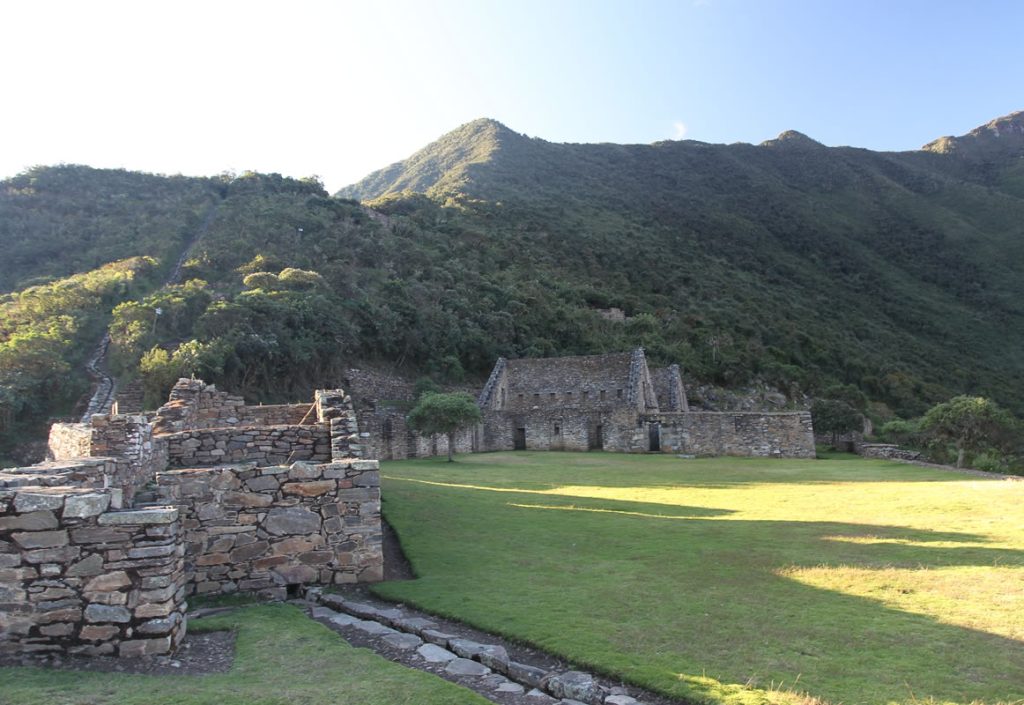
For many travelers, Machu Picchu is the first image that comes to mind when they think of Peru, yet the country’s second great citadel, Choquequirao, offers an experience that in some ways feels even more powerful. Built during the reign of Pachacútec at the same time as Machu Picchu, Choquequirao occupies a spectacular ridge at 3,050 meters with views over the Apurímac canyon and the snow‑capped peaks of the Vilcabamba range, but unlike its famous sister it receives only a few dozen visitors per day. The only way to reach the site is on foot, via a two‑day approach that descends to the canyon floor and climbs back up through cactus, cloud forest and high‑Andean grasslands, which means that everyone you meet at the terraces and plazas has earned their place there step by step.
Around 70 percent of the complex remains covered by vegetation, adding a sense of mystery and discovery as you walk between excavated sectors like the main plaza, the ceremonial platforms and the unique llama terraces, whose white‑stone figures stand out against dark retaining walls.
For travelers who want to understand the Inca world beyond crowded viewpoints and tightly controlled time slots, spending two full days exploring Choquequirao—with sunrise, sunset and long quiet hours among the ruins—often becomes the emotional highlight of their entire journey through the Andes.
TRAVEL BLOG ARTICLES
ADDRESS: Cusco – PE
PHONE: +51 999 999 999
EMAIL: info@choquequirao-treks.com
Choquequirao Expeditions – Part of My Peru Destinations Group © 2026 All rights reserved